

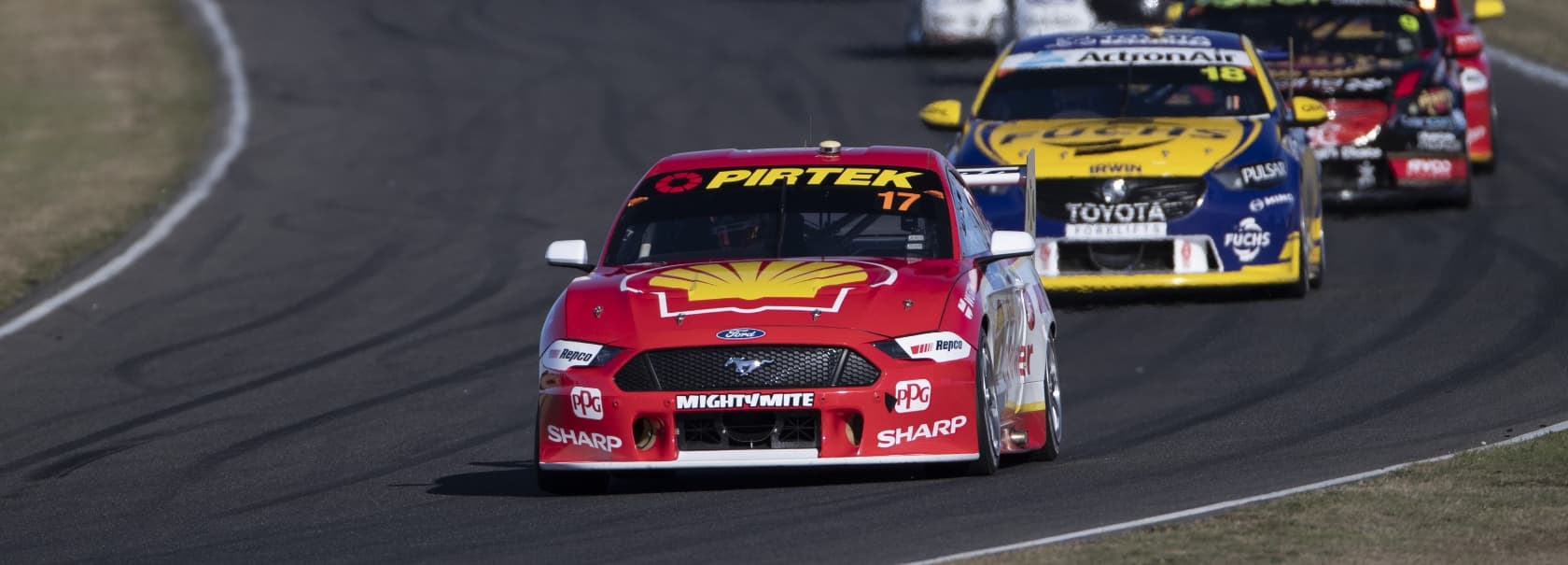
Street tracks here in Australia are a common sight on the Repco Supercars Championship calendar, but it is quite the opposite in England.
While Australia can lay claim to Adelaide, Albert Park, Townsville, Gold Coast, Bathurst and the future Perth precinct, but the ability for street circuits to be built in England has plenty of red tape to get through.
The ability to temporarily suspend the Roads Act is the main sticking point due to the necessity of agreements between the constituency and parliament, then potentially to the House of Lords.
Ideas of a street race in England’s second city of Birmingham can be traced back to 1966 through councillor Peter Barwell and local businessman Martin Hone, who also happened to be a racing driver.
Six years later it was Stirling Moss gaining the approval to a race, but this never materialised.
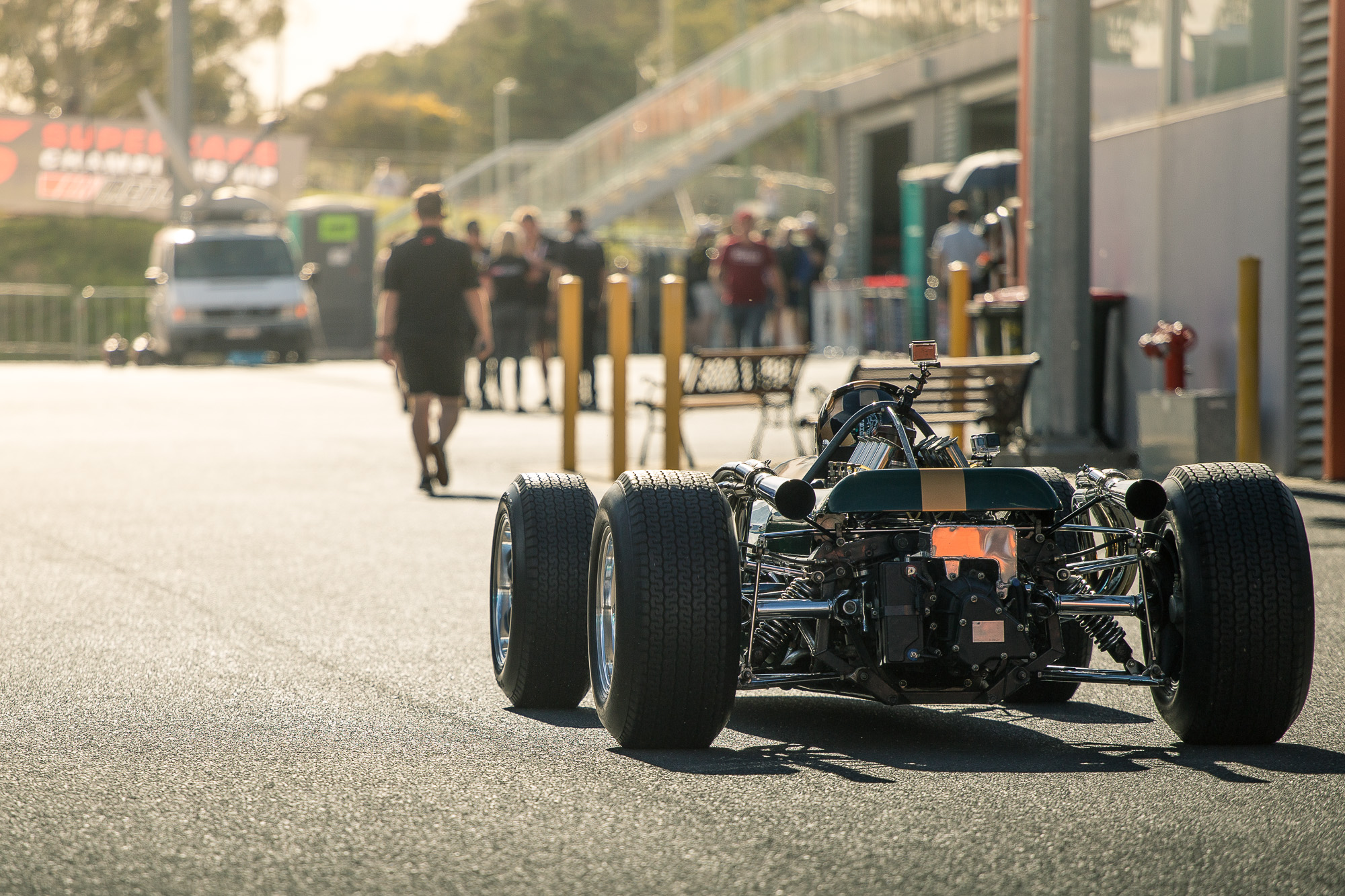
The next step proved to be a demonstration run by Patrick Nève in a Brabham BT45 around The Bull Ring shopping centre in 1976, but it took some eight years later for the Birmingham Road Race Bill to submitted to Parliament. This was approved in April 1985 and was given a royal assent (a monarch formally approves an act of legislature) leading to plans for the Birmingham SuperPrix to commence.
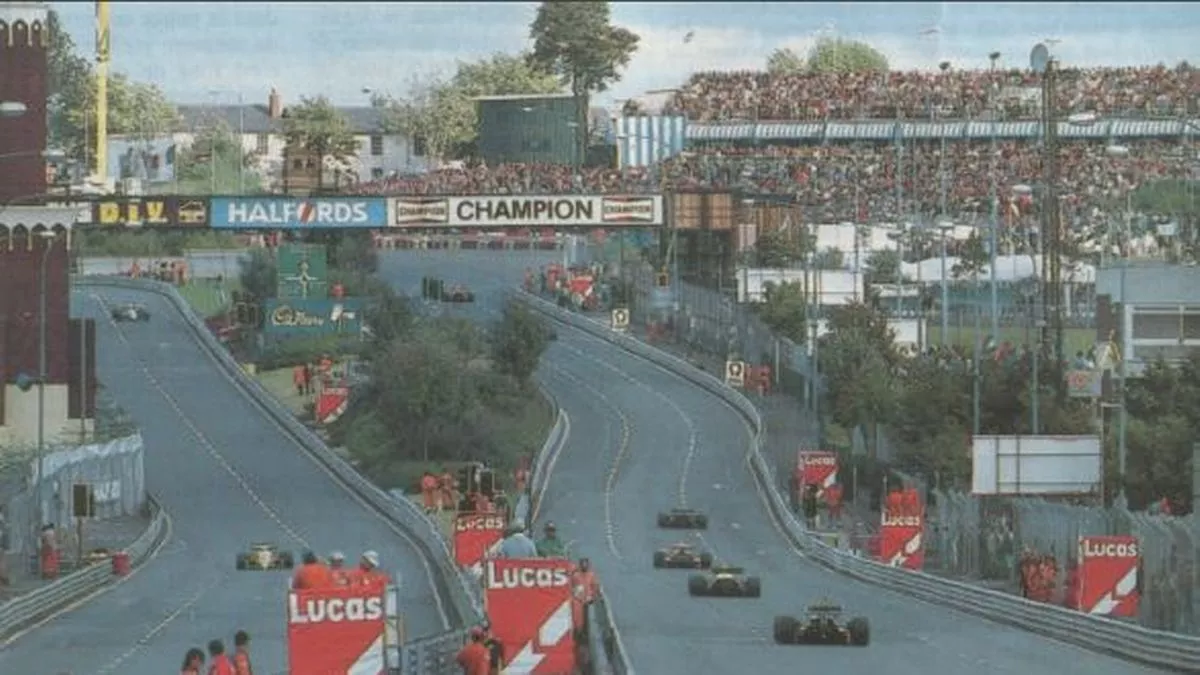
Headlined by the Formula 3000s on a circuit using closed streets near Birmingham’s city centre, the first SuperPrix was scheduled for the August Bank Holiday in 1986.
It proved a tough first event due to the bumpy nature of the street circuit and the torrential downpours produced by Hurricane Charley.
A pile-up on lap 21 halted proceedings, but it proved a successful start to the Birmingham SuperPrix.
F3000s continued to headline the event until 1988 when the British Touring Car Championship made its maiden appearance.
This event proved destructive, with David Hunt’s F3000 punching a hole through the wall of a wholesalers’ wall.
Next, Russell Spence’s entry was recovered by a crane with him still in it leading to it being placed in the wrong spot. The leaders came upon Spence’s F3000 minus the driver and crashed forcing the second stoppage of the main event.
Due to the delays, the BTCC race was cancelled and thus the debut of Tom Walkinshaw’s new Holden VL Commodore SS Group A SV.
The event ran for just two more years before it was put for tender and there were no bidders.
Although the streets do remain, there is no sign a race was ever held.
Plans to hold street events in England have come and gone, but nothing has matched the Birmingham SuperPrix.