
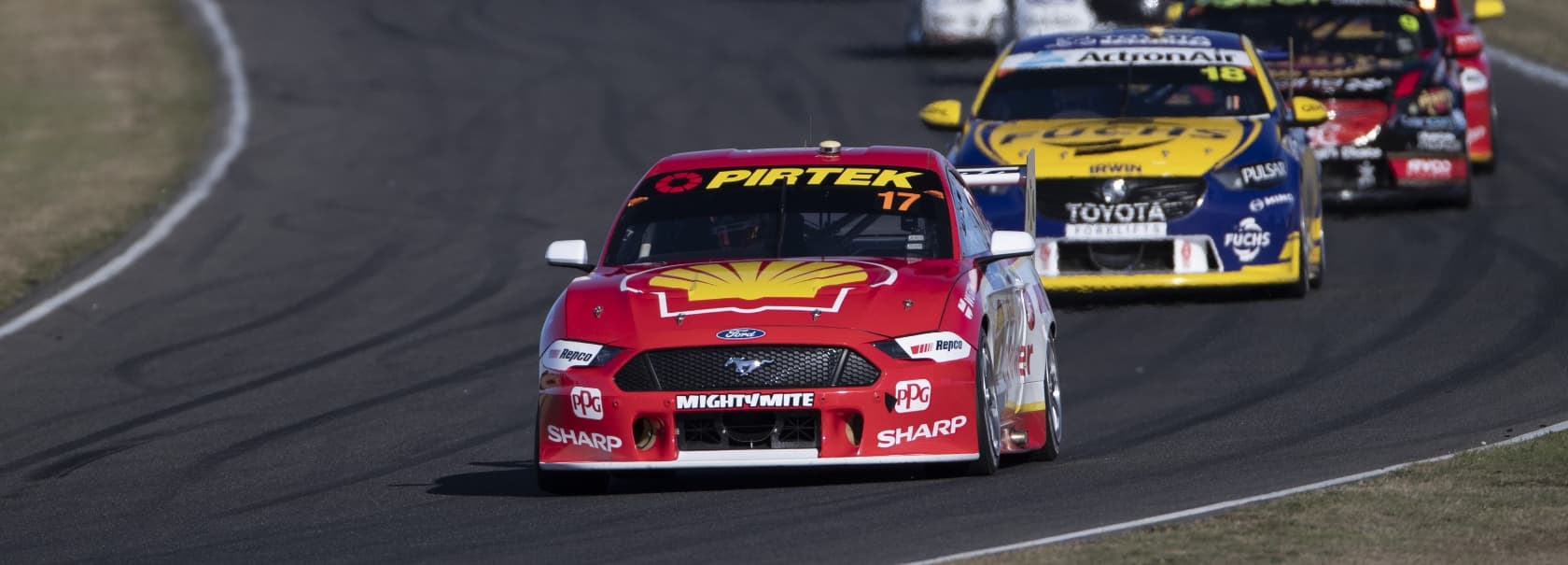
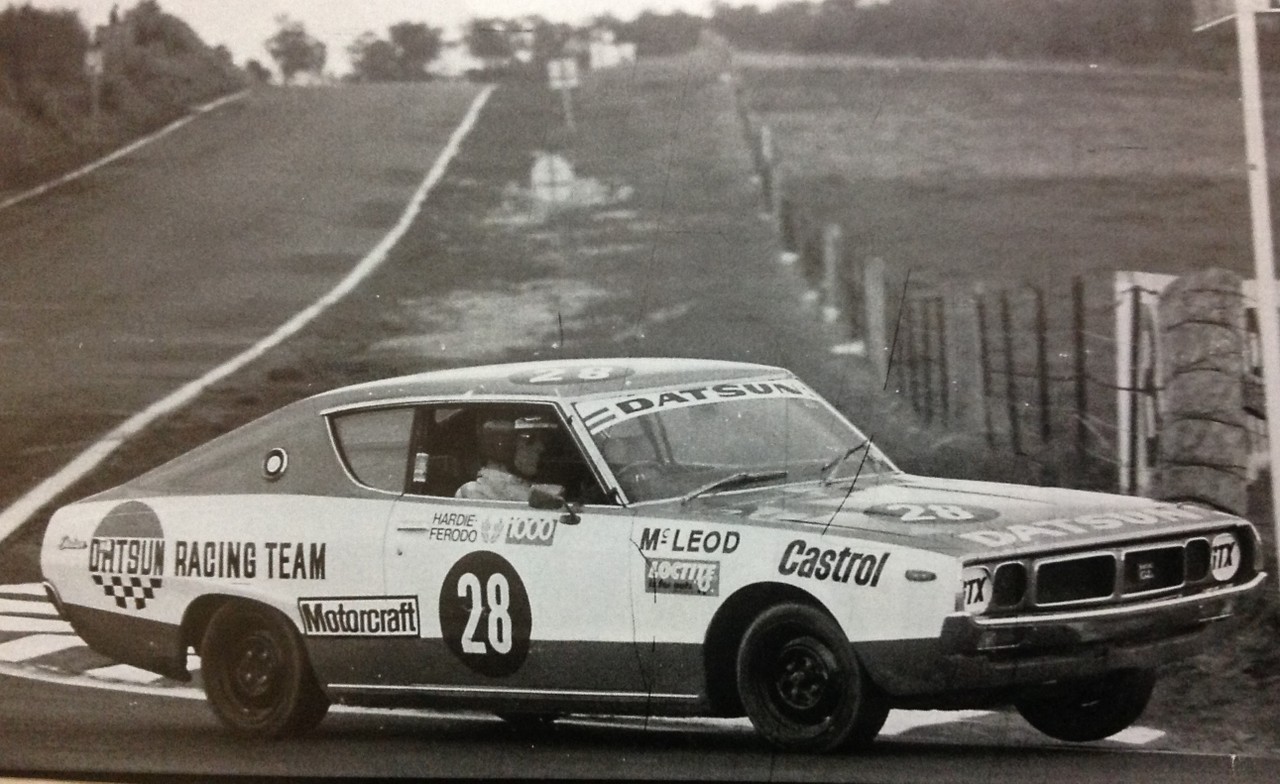
The V8 has been a feature at Mount Panorama since the very start from Studebakers to the current day Camaros and Mustangs, but there was a time when smaller capacity offerings were set to star at Bathurst.
Plans by the race custodians, the Australian Racing Drivers Club were put in place ahead of the 1975 Hardie-Ferodo 1000 to only allow under 3.0-litre models to compete for Australia’s leading touring car accolade.
It came at a time when the fuel crisis was starting to significantly impact Australia, while emissions and concerns regarding the environment were ramping up leading to increased scrutiny on motorsport.
Reducing the eligibility to under 3.0-litre was met by plenty of opposition as a hint towards the ARDC’s future plans were provided by the spread of prize money for the 1975 edition, which was weighted heavily towards the classes rather than the outright positions.
“It’s a race for cars, not drivers, and if Moffat and Goss didn’t start I don’t think it would be a great loss,” an ARDC official was deemed to have said regarding the plan, but the push back was rather swift.
Fans and entrants quickly came together to make sure the plans were dropped, which indeed they were.
The V8 Holdens and Fords continued to lead the touring car action at the Mountain until the end of the decade, while the under 3.0-litre class continued to feature strong interest from many privateers alongside some factory campaigns as well.
The ARDC had already put a 3.0-litre maximum capacity on its Amaroo Park-based Sun-7 Chesterfield Series for touring cars and this had successfully attracted a competitive field when it was introduced in 1975.
A gradual increase to 3.5-litres to then having a series for the outright entries running alongside named the AMSCAR leading to both being combined in the early 1980s due to the popularity of the big Falcons, Commodores, RX-7s and Bluebirds.